

AEDs for Schools in India: Ensuring Child Safety in Emergencies


SCA may occur suddenly at any age, including in a child or teenager.
Indian schools are increasingly appreciating the need to be ready in case of such an emergency.
It is possible to save lives by having an Automated External Defibrillator (AED) available at the school.
AEDs are also meant to be easy to use and give good instructions during an emergency.
Yet not every AED works with children, and schools should make sure that they have AEDs that can work with children, such as pediatric pads or child-mode features.
It is also essential to place and maintain them and make sure they are easily reachable so that a response in seconds is possible when every second matters.
To the schools in India, installing AEDs is not simply a matter of concerns of compliance with safety standards, but rather of providing a safe place where students, employees, and guests may stay.
The schools may enhance emergency preparedness by educating teachers and staff about AED usage and keeping the devices well-maintained, which can save the lives of children in case of sudden cardiac arrest.
Understanding AEDs: How Do They Work?
What an AED Does: An Automated External Defibrillator (AED) is a medical device that measures irregular heart rates during sudden cardiac arrest and sends a controlled electric shock to restore a normal heart rate.
Heart Rhythm Detection: AED pads will control the heart rhythm of the patient and relay this information to the device to decide whether a shock is required or not.
Pad Placement: Pads are placed differently in both children and adults. Generally, they are placed on the upper right and the lower left side to have a fluid flow through the heart.
Pediatric Pads: In India, an AED pad should be used by students younger than 8 years of age or less than 25 kg in weight so that they can use pediatric or child-mode pads. This ensures safe, age-appropriate energy delivery.
Guided Emergency Response: AEDs give both visual and spoken instructions to ensure that the staff and teachers apply CPR properly when setting up the device, which should be delivered as a shock.
Conductive Gel: AED pads use conductive gel to transmit electricity efficiently. Each brand calibrates its pads to work with its specific device, making proper compatibility critical.
Quick Response Matters: Using the correct AED and pads in Indian schools ensures that the device works efficiently, reducing delays during emergencies.
Maintenance Reminder: Regular checks of pad condition, expiry dates, and battery status are essential to keep the AED rescue ready.
Importance of AEDs in Schools

Life-Saving Potential: Sudden cardiac arrest can occur unexpectedly in children and staff. Quick AED use significantly increases survival chances.
Time-Critical Emergencies: Every minute counts. Having an AED on-site in Indian schools ensures faster response than waiting for ambulance arrival.
Protecting Students and Staff: AEDs safeguard not only children but also teachers, administrative staff, and visitors on campus.
Legal and Safety Compliance: Installing AEDs aligns with safety protocols and demonstrates a school’s commitment to student welfare.
Peace of Mind for Parents: Parents feel reassured knowing the school is prepared for medical emergencies.
Integration with First Aid Training: AEDs complement CPR training, making emergency response more effective.
Child-Specific Considerations

Pediatric Pads Are Essential: Children under 8 years or weighing less than 25 kg require pediatric AED pads for safe energy delivery.
Child-Mode AEDs: Some AEDs automatically adjust shock levels for younger patients, ensuring safe defibrillation.
Pad Placement for Children: Pediatric pads are placed differently, one on the upper right chest and one on the lower left, to optimize current flow through a smaller body.
Avoid Adult Pads on Kids: Using adult pads can deliver excessive energy, potentially harming a child or reducing shock effectiveness.
Education for Staff: Teachers and school staff should know how to switch to child mode or use pediatric pads correctly during emergencies.
Regular Review: Pediatric AED pads should be checked frequently for expiry and adhesion to guarantee readiness.
Selecting the Right AED for a School
Brand Options: Schools in India can choose from trusted AED brands like Philips, Zoll, Defibtech, and Cardiac Science, all offering child-compatible devices.
Pediatric Compatibility: Ensure the AED includes pediatric pads or a child-mode function for safe use on students under 8 years old.
Ease of Use: Devices should provide clear voice instructions and visual prompts, allowing teachers and staff to operate them confidently during emergencies.
Durability: AEDs should withstand frequent handling in school environments, including gyms, playgrounds, and classrooms.
Battery Life and Pads: Check battery lifespan and pad expiry dates to maintain continuous readiness. Long-life batteries reduce frequent replacements.
Maintenance Requirements: Choose AEDs that perform regular self-tests and offer easy monitoring to reduce maintenance errors.
Cost vs. Safety: While schools may consider budget, prioritizing safety and pediatric compatibility ensures the device serves its critical purpose.
Compliance with Indian Safety Standards: Ensure the AED meets Indian health and safety regulations and is approved for school use.
Proper Placement and Accessibility in Schools
High Visibility Locations: AEDs should be installed in easily visible areas such as corridors, near the gym, or playgrounds for quick access during emergencies.
Accessible to Staff: Teachers, nurses, and administrative staff should have unrestricted access to AEDs without barriers.
Avoid Obstructions: AED cabinets should not be blocked by furniture, storage, or equipment. Clear signage helps locate the device quickly.
Signage and Instructions: Install clear AED signs and instructions near the device to guide staff and visitors during an emergency.
Multiple Units for Large Schools: Large campuses may need more than one AED to ensure quick response times across different buildings.
Security vs. Speed: While AEDs should be protected against theft or misuse, access must be immediate in emergencies. Lockable cabinets with quick-release mechanisms are ideal.
Integration with First Aid Areas: Placing AEDs near first aid kits or nurse offices helps coordinate medical response efficiently.
Regular Checks of Accessibility: Schools should periodically verify that AEDs are accessible and signs are visible, especially after renovations or changes in classroom layouts.
Training School Staff
Importance of CPR and AED Training: Teachers and staff must know how to perform CPR and operate AEDs efficiently during cardiac emergencies.
Regular Training Sessions: Conduct training at least once a year, with refresher courses every 6–12 months to maintain confidence and skills.
Hands-On Practice: Simulated scenarios using training AEDs help staff become familiar with device operation and pad placement.
Reducing Response Time: Trained staff act faster, which increases survival chances in sudden cardiac arrest situations.
Integration with Emergency Drills: Include AED usage in school emergency drills alongside fire and evacuation exercises.
Confidence Building: Training reduces fear and hesitation, ensuring that staff act promptly and correctly when every second counts.
Maintenance of AEDs in Schools

Regular Visual Checks: Ensure the AED’s status indicator light shows “Ready” or green. Any red light or alert requires immediate attention.
Pad Expiry Monitoring: Check the expiration dates of AED pads regularly and replace them promptly to maintain device effectiveness.
Battery Checks: Monitor battery status and replace batteries before expiration or after any emergency use.
Clean Storage Environment: Store AEDs in dry, dust-free areas away from direct sunlight or moisture, which can damage electronic components.
Self-Test Monitoring: Most AEDs perform automatic self-tests daily or weekly. Record these checks in a maintenance log.
Post-Use Inspection: After each use, replace pads immediately and verify battery levels to ensure readiness for the next emergency.
Professional Servicing: Schedule servicing every 2–3 years or after any emergency use to check internal circuitry, software updates, and device calibration.
Backup Supplies: Keep spare pads and batteries on-site to ensure uninterrupted availability in high-traffic areas like gyms and playgrounds.
Best Defibrillators (AEDs) from Buy AED India for Schools
Mediana Hearton AED A16 – ₹99,000
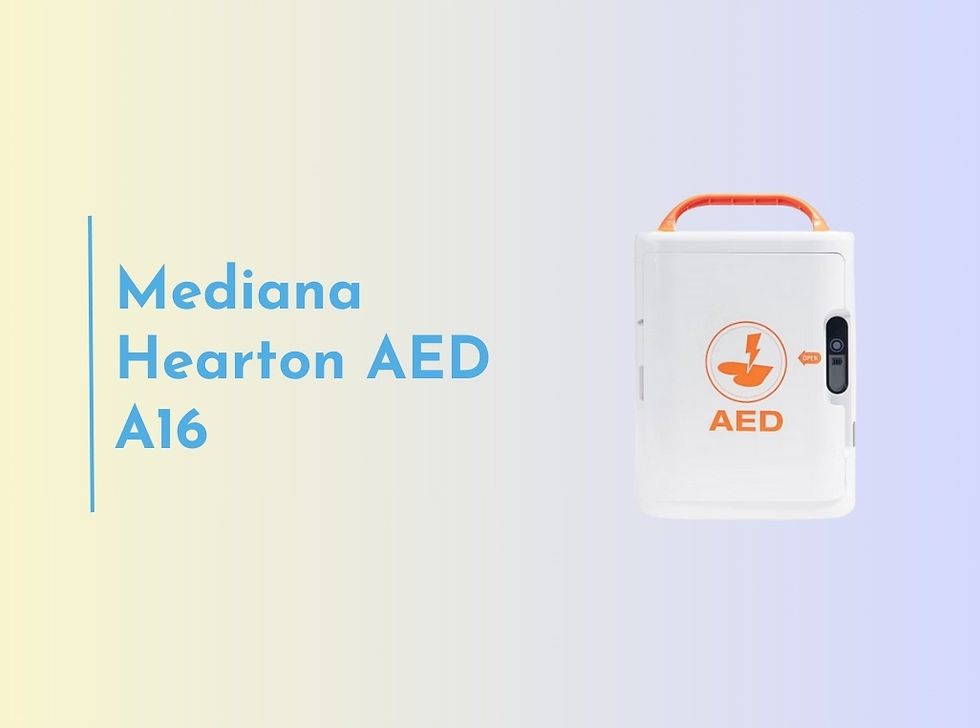
Reliable and easy-to-use AED ideal for schools and small educational institutions.
Provides clear voice prompts for teachers and staff during emergencies.
Fast defibrillation ensures children receive prompt treatment.
Warranty: 5 Years.
Heartplus AED NT-180 – ₹89,000

Compact and lightweight AED suitable for classrooms, gyms, and school nurse offices.
Long battery life and simple instructions help staff act quickly.
Ideal for schools with limited trained personnel.
Warranty: 7 Years
Defibtech Lifeline Auto AED-DDU-120A – ₹135,001 (Regular ₹225,000)

Automatic AED designed for quick and efficient use on both children and adults.
Perfect for larger schools or campuses with high student density.
Warranty: 5 Years
Philips HeartStart HS1 Onsite AED-M5066A – ₹99,999 (Regular ₹195,000)

Lightweight, durable, and school-friendly AED with clear voice guidance.
Supports pediatric pads for safe use on children under 8 years or 25 kg.
Easy deployment in classrooms, playgrounds, and school gyms.
Warranty: 5 Years
Philips HeartStart FRx AED-861304 – ₹120,000 (Regular ₹225,000)

Suitable for both adult and pediatric patients, making it perfect for schools with mixed-age students.
Clear instructions and visual cues help staff respond calmly and effectively.
Recommended for school nurse offices, auditoriums, and playground areas.
Warranty: 5 Years
Benefits of Purchasing AEDs from Buy AED India

Original and Genuine Products: Buy AED India provides 100% authentic AED units, pediatric pads, and batteries sourced directly from authorized distributors.
Wide Brand Selection: Access top AED brands such as Philips, Zoll, Defibtech, and Cardiac Science, suitable for schools across India.
Pediatric and Child-Compatible Pads: Ensure your school AEDs are equipped with the correct pads for children, improving safety during emergencies.
Expert Guidance: The platform offers advice on selecting AEDs, compatible pads, and batteries based on school size, student population, and emergency needs.
Compliance Assurance: All products meet safety standards and are suitable for use in Indian educational institutions.
Fast and Nationwide Delivery: AEDs, pads, and batteries are shipped across India, ensuring schools receive replacements or new units quickly.
Transparent Pricing: Clear product details, pricing, and warranty information allow schools to make informed purchasing decisions.
Reliable Support: Customer service is available for troubleshooting, ordering guidance, and post-purchase assistance.
Conclusion
Awareness is not enough to guarantee the safety of the children in the Indian schools; the preparations are necessary.
Automated External Defibrillators (AEDs) are key towards the rescue of life during sudden cardiac arrest, particularly for young learners.
With child-compatible AEDs, staff training, and their proper maintenance in schools, child facilities are able to react promptly and favorably when all seconds matter.
The constant state of AED pads, batteries, and the general device preparation should be managed regularly so that the equipment operates well when needed most.
Examined locations are properly placed, and staff are trained and examined, therefore optimizing the possibilities of success.
Through the winter selection of suppliers such as Buy AED India, the schools will be able to obtain actual, pediatric versions of AEDs, supported by professional service, delivery across the country, and post-delivery safety regulations.
It is not only a regulatory move to prioritize AEDs in school safety plans but also a promise to the health and welfare of all children in schools.
It is better to be prepared today than lose lives tomorrow.
FAQs
Are AEDs necessary in Indian schools?
Yes, AEDs can save lives during sudden cardiac arrest, even for children, making them essential in schools.
Can adult AED pads be used on children?
No, use pediatric pads or child-mode AEDs for students under 8 years or under 25 kg.
How often should AED pads be replaced in schools?
Pads should be replaced every 2–5 years or immediately after any use.
How often should AED batteries be checked or replaced?
Batteries should be checked monthly and replaced every 4–7 years or after emergency use.
Who should be trained to use AEDs in schools?
Teachers, school nurses, and administrative staff should receive CPR and AED training.
Where should AEDs be placed in a school?
AEDs should be installed in visible, accessible areas like gyms, playgrounds, corridors, or nurse offices.
Can schools buy AEDs online in India?
Yes, reliable platforms like Buy AED India offer genuine AEDs, pediatric pads, and batteries with nationwide delivery.
What is the importance of maintaining AEDs in schools?
Regular maintenance ensures pads, batteries, and devices work correctly, enabling quick and effective emergency response.


Comments